Anúncios
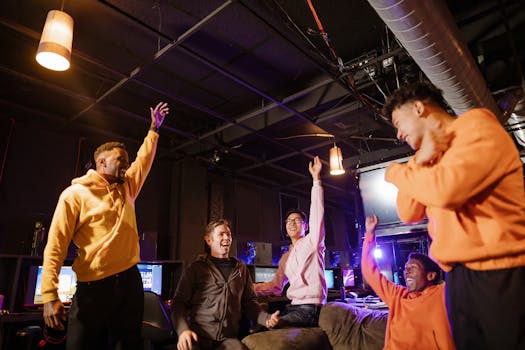
Humor shapes everyday gaming moments, from clever memes to playful banter during matches. Mid-game jokes and signature gaming humor spark genuine laughter and camaraderie, setting gaming apart from other digital spaces.
While some join for the competition, many gamers stick around because laughter eases tension, patches up rivalries, and builds lasting friendships. Gaming humor isn’t just an afterthought; it’s the steady glue that keeps communities lively.
Explore this article to discover why humor stands front and center in gaming circles. You’ll find actionable insights for using gaming humor to enrich your play, your friendships, and your day-to-day interactions.
Creating Connection: How Laughter Turns Strangers into Teammates
Humor builds instant bridges, transforming new teams into tight-knit squads, and this section shows you how to foster real connection from your very next game session.
Light-hearted jokes at the start of a match, even a cheesy pun or meme reference, can quickly break the ice. When players laugh together, defenses drop and collaboration feels natural instead of forced.
Observing Body Language in Voice Chats
When you hear relaxed laughter or quick-witted responses, it mirrors real-life smiles and nods. These social cues, digital or not, help humanize everyone in the lobby, softening first encounters.
Gaming humor, even when delivered through emotes or short chat messages, invites players to participate instead of spectate. A running meme in team chat instantly signals “we’re in this together.”
Teammates who lean in to banter—”Did we just invent a new way to lose?”—are building shared experience. Over time, these light moments become inside jokes that return whenever you re-team.
Humor as a Shortcut for Building Trust
Trust doesn’t require months when humor’s in play. Marking a silly in-game mistake—”Oops, I tried to heal the enemy!”—shows humility. When someone joins the laughter, they signal trust and safety.
Expect chat channels with gaming humor to see players stay online longer, return regularly, and help teammates more. Laughter acts as emotional insurance when stakes—and tempers—rise.
Within seconds, a well-timed joke can flip frustration into fun. Over time, humor becomes a team’s way to handle both success and setbacks, tying everyone together beyond gameplay.
| Humor Strategy | When to Use | Potential Outcome | Next Step |
|---|---|---|---|
| Share a Meme | Pre-game lobby | Loosen team tension | Collect team favorite memes for future matches |
| Light-hearted Roast | After a loss | Relieve disappointment | Invite friendly banter in chat |
| Use Game-specific Jokes | During tough boss fights | Increase focus | Swap new references each session |
| Emote Spamming | After funny moments | Builds shared memories | Save emotes as quick shortcuts |
| Quick Self-deprecating Quip | After messing up | Lightens mood instantly | Encourage others to do the same |
Enhancing Group Play Through Shared Inside Jokes
Shared jokes knit teams together, creating familiarity that sticks for months. This section outlines practical ways to introduce and sustain recurring humor in any gaming group.
After just a few matches, a memorable mishap or awkward auto-correct can become a recurring joke. Repeating those moments bonds the team, especially during tense challenges or rival matches.
Embedding Humor Within Team Rituals
Setting aside the first minute of every session for telling the latest gaming humor or “clip of the week” creates ritual. Team rituals make people feel like they belong, and inside jokes evolve into tradition.
- Begin sessions with a favorite meme exchange—sets a positive mood, encourages everyone to share laughs, and makes late joiners feel included quickly.
- Make a running tally of the group’s funniest fails—adds to the shared story, lowers pressure to only “win,” and lets newer members catch up on group history.
- Establish a “funny phrase of the week”—repeats the joke across games, becomes a unique team identifier, and replaces stale greetings with humor.
- Designate a “pun generator”—one teammate delivers puns at key moments, discourages tilting, and creates anticipation for the next joke.
- Celebrate random moments—like “worst loot pull”—with short, light roast sessions, demystifying mistakes and reinforcing that laughter is part of the group’s culture.
Embedding humor like this can turn routine play into anticipated team hangouts. Over time, the team’s language gets packed with original references no outsider can decode.
Expanding Inside Jokes to Community Culture
When inside jokes leak into forums or public chat, they become cultural currency for the wider group. Community members who “get it” feel uniquely included.
- Post team memes in shared Discords—grows collective story, breaks the ice for lurkers, and motivates others to engage in new ways.
- Use recurring GIFs or voice clips as inside references—triggers reactions, lets people join by using or remixing the joke, democratizes community humor.
- Document recurring gags on a public wiki or post—aids memory, welcomes new members who want to pick up the team’s humor, and immortalizes classic moments.
- Celebrate “inside joke anniversaries”—set reminders or themed game nights to honor legendary moments, establishing a deeper sense of tradition.
- Nominate “joke captains”—people naturally talented at recalling and evolving recurring gags, who become unofficial custodians of the group’s comedic flavor.
Integrating humor into larger chats and events scales your team’s culture, drawing in curious onlookers as future insiders.
Diffusing Conflict: Comedy as a Pressure Valve in Game Chats
Friction in competitive games can fray nerves, but timely humor acts as both shield and balm for tense chats. This section arms you with ready-to-use comedic interventions.
Rather than letting irritation stew, calling out stress with a joke—”Let’s blame the lag monster!”—shifts energy away from blaming individuals. Gaming humor makes arguments less personal and helps cool off steam instantly.
Interrupting Toxic Spirals Before They Escalate
Recognizing tense exchanges, a player might drop a scripted joke—”Good thing we’re not speedrunning politeness!”—to reset the tone. Done skillfully, the conversation veers toward playful instead of punitive.
Partner up with empathetic teammates to cue off each other’s light comments. It’s like a fire drill: rehearsed jokes (even corny ones) stop flames from spreading.
Gaming humor isn’t about ignoring conflict, but reframing it. Laughter allows honest discussion without defensiveness. Sometimes a joke defuses, then real discussion follows.
Modeling Kindness Through Self-Directed Jokes
Leaders and moderators can own up to their mistakes—”Oops, hitting the wrong key is my superpower today!”—which makes admitting errors safe for everyone.
Gaming humor encourages humility, showing that everyone is learning. It becomes normal to laugh off missteps, versus hiding or doubling down.
Be alert: Not all jokes land, and misjudged humor can backfire. It’s vital to check the room before cracking wise, especially after heated exchanges.
Balance: Knowing When Humor Works and When It Distracts
The key outcome here is learning how to time your gaming humor so it supports gameplay instead of distracting or offending your crew.
Smart humor softens tough moments but misplaced jokes—say, during high-stakes battles—risk undermining focus. Learning the flow helps you read the room and keep things productive.
Reading Audience Moods for Best Timing
Watch for teammates’ cues: Short, clipped responses mean they need focus; a series of relaxed GIFs signals openness to light moments. Adapt your style accordingly and don’t force laughs.
Gaming humor lands better after matches or during downtime. Use key breakpoints for icebreakers; don’t drop punchlines when instructions or teamwork matter most.
Respect post-loss emotions. Self-mocking is safest (“I just invented a new losing strategy!”) while roasting others should wait until spirits bounce back naturally.
Setting Community Guidelines to Encourage Smart Laughter
Communities thrive with gaming humor that’s inclusive and non-disruptive. Post chat guidelines clarifying that memes, jokes, or roasts should stay friendly and context-relevant.
Give examples of acceptably light vs. overly sharp humor; suggest when it’s helpful to save jokes for post-game reviews. Clear standards let everyone relax and experiment.
Moderators can highlight positive uses of humor in chat recaps or weekly spotlights. Rewarding those who skillfully lift the mood builds better norms for everyone.
Memes and Viral Moments: Fueling Rapid-Fire Humor
Here you’ll learn how memes shape gaming culture and give everyone viral-ready material for instant connections. Memes are gaming humor’s universal shorthand.
Communities use memes to process patch notes, update disasters, and pro scene drama with a shared wink. A single viral image or phrase can appear in dozens of discords within hours, uniting otherwise distant players.
Tracking Meme Evolution Across Game Updates
When a developer tweaks a popular weapon, expect meme templates to flood social feeds within minutes. “Nerf Bat” and “buffed potato” jokes help express frustration with laughter rather than anger.
Gamers remix memes to fit new balance changes. Watching formats evolve tracks not just community humor, but shared progress through a game’s lifecycle.
Staying playful keeps negativity from dominating discussions. Memes let everyone poke fun at flawed updates and bond as co-experiencers, not just critics.
Memes as Community Lore and Entry Points
Newcomers can quickly pick up community customs by observing which memes get circulated. Inside jokes act as both welcome signs and mini-clues for group style.
Memes archive classic fails, shocking bugs, or iconic victories. They’re easy references for old-timers and accessible introductions for newcomers unsure how to chime in.
Gaming humor via memes requires little context to join; just copy-paste or remix. That low barrier makes joining ongoing fun as simple as responding to a shared image.
Role Models: Streamers and Content Creators Setting the Tone
Effective influencers shape culture by modeling warm, witty banter and responsible gaming humor. This section shows how to mirror those habits yourself to cultivate a better play space.
Streamers use gaming humor to keep audiences engaged through losses, technical glitches, and dull grinds. Their reactions—showcasing laughter over rage—set powerful examples for huge viewerships.
Adopting Influencer-Approved Humor Scripts
Observe those who narrate their fails with dry wit—”I’m inventing new ways to miss every shot today!” Mimic genuinely light self-teasing in your own voice to normalize positive play.
Good content creators shout out audience jokes, use subscriber memes, and encourage chat-generated humor. This builds a warm environment, making more viewers comfortable sharing laughs.
Streamers often use scripted responses when chats get heated—”I see the salt is real tonight!”—to slide tension into playful mode. These scripts can be adapted for team chats anywhere.
Building Team Rituals Around Shared Humor
Encourage everyone to bring their favorite gaming humor from streams into lobbies. Share go-to punchlines or react live to influencer memes. Familiarity lowers barriers.
Rotate the “joke lead” role so anyone can shape the mood. This invites quieter group members to participate and introduces wider comedic styles beyond the loudest player.
Remind the group when a clever or silly line made everyone laugh. Callbacks build momentum and help positive habits stick across sessions.
Practical Tools: Emotes, Soundboards, and Chatbots for Seamless Comedy
Adding comedy tools to chat makes gaming humor immediate and inclusive. This section explores practical tech and social tricks to automate fun and invite universal participation.
Emotes, meme shortcuts, dedicated sound bites, and light-hearted chatbots provide reliable doses of shared laughter, turning any lobby into a meme playground, regardless of individual comedic skill.
Layering Shortcuts for Effortless Participation
Set up hotkeys for quick emotes or soundboards so you’re one tap away from adding gaming humor to any moment. Teach teammates the shortcuts for spontaneous fun.
Pre-load custom meme packs or in-jokes as soundboard triggers to let anyone, not just the usual comic, participate at their own speed. This broadens laughs across a wider friend circle.
Gamify participation: Hold “emote races” during loading screens or see who can remix the day’s meme fastest. Tooling lowers pressure and flattens hierarchy around who “gets” to be funny.
Programming Chatbots for Humor On Demand
Install chatbots with randomized joke commands (“/joke,” “/failmoment”) so that fresh humor is always circulating, even on quieter days. Share the coding process with your group to make it personal.
List beloved joke responses in the bot library. Regular updates ensure that humor stays relevant. Invite new members to contribute scripts, promoting a culture of ongoing creativity in gaming humor.
Remind everyone to use chatbot tools with respect; keep settings configurable so off-topic jokes don’t distract during high-stakes rounds. The best setups let laughter flow when needed, never forced.
| Tool | Setup Time | Inclusive Feature | Best Use Case |
|---|---|---|---|
| Quick Emote Wheel | 2 minutes | Accessible for all | Fast reactions mid-game |
| Custom Soundboard | 10 minutes | User-created content | Post-match celebrations |
| Simple Chatbot | 15 minutes | Random joke generation | Lobby downtime |
| Meme Sharing App | 5 minutes | Bulk uploads | Team-building pregame |
| Vote-Driven Caption Games | 3 minutes | Group engagement | Community events |
Gaming Humor: The Lasting Impact on Community Health
Humor’s imprint endures long after a match ends. Sustaining genuine gaming humor gives communities resilience, identity, and a positive legacy for new generations of players.
Frequent in-jokes and meme exchanges keep even inactive members returning, because they anticipate laughter and recognition, not just competitive outcomes. This retention boosts engagement for moderators and content planners alike.
Tracking Community Wellbeing Through Humor Trends
Count how many original memes, playful scripts, or callback jokes circulate weekly. A drop in gaming humor can signal rising tension and flag a need for team lifts or community events.
Invite feedback: Poll members for their favorite recent laughs, or encourage submissions for “funniest chat” moments. This crowdsources mood checks without formal surveys and rewards creativity.
Healthy communities sport a diverse pool of comedic contributions—not just recurring memes but new formats adapted for shifting player culture. A humor-rich channel signals an adaptable and welcoming space.
Cultivating Resilience and Recovery in Setbacks
Practice responding to losses or tech issues with group humor—pledge “pizza points” for funny fails, or set up “groan goals” for exaggerated in-game mistakes.
Encourage leaders to share their most embarrassing clips to normalize bouncing back. Group laughter works as a psychological reset, helping everyone reframe challenges as fresh stories to share next time.
Gaming humor creates collective memory—your toughest losses might inspire the best inside jokes. This shared resilience distinguishes loyal, healthy gaming groups from short-term squads.
Carrying Gaming Humor Forward: Making Every Match More Enjoyable
Reviewing the daily impacts of gaming humor, we see it shapes play, smooths friction, and keeps players coming back for more.
Laughter turns fleeting matches into lasting bonds, while inside jokes and memes build ongoing stories. Gaming humor provides a safety net players rely on every time they log in.
Try weaving humor into your group’s rituals, experiment with emotes and chat tools, and model resilient laughter. By doing so, you help create a thriving, fun-filled community that’ll never go stale.